
Lab Testing Services in Vietnam: ISO 17025 Accredited Solutions for Exporters

Lab testing services are independent, third-party analyses that measure the chemical, physical and microbiological properties of a product against a buyer specification or legal limit, and then document the results in a Certificate of Analysis (COA). For Vietnamese exporters of cashew, coffee, rice, animal feed and wood pellets, results from an ISO/IEC 17025 accredited laboratory are the evidence that buyers in the EU, US, Japan and Korea accept. Control Union Vietnam’s laboratory in Ho Chi Minh City is accredited by BoA under VILAS 1168, holds GAFTA analyst certification, and offers turnaround times starting at 3 days.
💡 KEY TAKEAWAYS FOR DECISION-MAKERS (EXECUTIVE SUMMARY)
- Core requirement: Import markets set limits in law, for example Regulation (EC) No 396/2005 for pesticide residues and Regulation (EU) 2023/915 for contaminants in the EU. Buyers then ask for accredited COAs as proof that each lot complies.
- Risk of non-compliance: Lots can be held, re-tested, rejected or destroyed at destination, and contract disputes arise over quality claims.
- Control Union solution: Chemistry, microbiology and biomass testing under ISO/IEC 17025:2017 (VILAS 1168), GAFTA-certified feed and grain analysis, and sampling and inspection services that connect the lab result to the physical cargo.
What are lab testing services and why do Vietnamese exporters need them
In simple terms, a lab test answers one commercial question: does this lot match what was promised? A third-party laboratory has no stake in the sale. It measures defined parameters such as moisture, aflatoxin B1, Salmonella or ash content using recognised methods, and it reports results that the buyer, seller and regulator can all rely on.
Independence is what separates lab testing services from in-house quality control. A factory’s own lab is essential for managing production. However, an importer in Hamburg or Los Angeles cannot audit that lab, so the importer asks for results from a laboratory whose competence has been verified by an accreditation body under ISO/IEC 17025:2017.
For Vietnamese exporters, the barrier is regulatory before it is commercial. Each destination market sets its own maximum residue limits, contaminant ceilings and microbiological criteria, and each buyer adds contract specifications on top. A cashew shipment may therefore need to satisfy EU pesticide law, the buyer’s moisture ceiling and a grade specification at the same time.
When evidence is missing or unreliable, consequences follow a predictable pattern. The most common are the following:
- Border rejection or detention: Lots that exceed a legal limit can be held, re-exported or destroyed at the importer’s cost, and that cost is usually passed back to the exporter.
- Contract penalties and quality claims: Disputes over moisture, foreign matter or grade are settled against the lab result, so a weak or unaccredited result weakens your negotiating position.
- Reduced buyer confidence: Repeated issues can move a supplier from “approved” to “under review” and lead to more frequent testing requirements.
Control Union Vietnam has worked in the Vietnamese TIC market since 2003. Its Chemistry Laboratory and Microbiology Laboratory were both established in 2018, and the laboratory in Tan Binh Industrial Park, Ho Chi Minh City, is accredited by Vietnam’s Bureau of Accreditation (BoA) under VILAS 1168 for the biological and chemical fields, with accreditation valid until 6 January 2030. The sections below explain how lab testing services work, which tests matter by commodity, and how to select a laboratory with confidence.
How does third-party lab testing ensure product compliance for export markets
Third-party testing turns a product claim into documented evidence through three mechanisms that work together.
- Independent verification removes conflict of interest: The laboratory reports what it measures, whatever the commercial outcome. ISO/IEC 17025:2017 requires impartiality to be managed as a formal risk, so buyers can trust the result without auditing the seller.
- The COA standardises the evidence: Each Certificate of Analysis states the sample, the method, the result, the unit and the reporting basis. A buyer in any market can therefore compare it with the specification line by line.
- Import clearance and contract acceptance: Customs authorities, importers and trade associations accept accredited results as the reference. Mutual recognition arrangements between accreditation bodies allow a result produced in Ho Chi Minh City to carry weight abroad.
The legal frameworks differ by market, so the test plan must follow the destination. Note that FSSC 22000 is a certification scheme that buyers often require, not a law.
| Export market | Key legal references | Typical buyer or scheme requirements |
|---|---|---|
| EU | Regulation (EC) No 396/2005 (pesticide MRLs), Regulation (EU) 2023/915 (contaminants), Regulation (EC) No 2073/2005 (microbiological criteria) | FSSC 22000, BRCGS, GMP+ for feed |
| United States | 40 CFR Part 180 (EPA pesticide tolerances, enforced by FDA); FSMA, including 21 CFR Part 117 (preventive controls) and the Foreign Supplier Verification Programme (21 CFR Part 1, Subpart L) | Supplier verification by the US importer |
| Japan | Food Sanitation Act, Positive List System (0.01 ppm uniform limit for unlisted pesticides) | Importer-specific residue panels |
What industries in Vietnam rely most on accredited laboratory testing
Demand for lab testing services in Vietnam follows the country’s export structure. 4 sectors account for most routine testing volume.
- Agricultural commodities: Cashew kernels, green and roasted coffee, rice, pepper and tea are tested for pesticide residues, mycotoxins, moisture and grade. Control Union’s chemistry scope includes dimethyl sulfide and naphthalene analysis for cashew, two contaminants that cashew buyers commonly specify.
- Animal feed and grains: Feed mills and traders need proximate analysis, aflatoxins, TVB-N and antioxidants such as BHA, BHT and ethoxyquin. GAFTA-certified analysis is often written into grain and feed contracts.
- Food processing and seafood: Processors of nuts, meat, seafood and dairy products rely on microbiological testing of finished products and environmental swabs to support HACCP and customer audits.
- Biomass and renewable energy: Wood pellet producers supply power plants in Japan and Korea, where every shipment is judged on calorific value, ash, durability and chemical composition.
Textile and consumer goods manufacturers also test for buyer compliance, but food, feed and biomass remain the core areas where accredited COAs affect clearance and payment directly.
Which international standards (ISO 17025, GAFTA, AOAC) must your lab meet
One common misconception appears in almost every lab selection brief: ISO 17025, GAFTA and AOAC are treated as three equivalent badges. They are not. Each answers a different question about the laboratory.
- ISO/IEC 17025:2017: This is the international standard for the competence, impartiality and consistent operation of testing laboratories. Accreditation is granted by a national body for a defined list of tests, not for the laboratory as a whole.
- GAFTA Approved Analyst: GAFTA (The Grain and Feed Trade Association) certifies analysts whose results are accepted under GAFTA contracts. Control Union Vietnam’s Chemistry Laboratory is certified by GAFTA as an analyst for feeds and grains.
- AOAC International: AOAC publishes validated official methods. A laboratory does not become “AOAC accredited”; it applies AOAC methods within its accredited scope.
- BoA (Bureau of Accreditation, Vietnam): BoA is Vietnam’s national accreditation body. Its VILAS programme has been part of the international mutual recognition arrangements since 2000, which is why VILAS results are recognised abroad.
| Standard / body | What it confirms | Recognition |
|---|---|---|
| ISO/IEC 17025:2017 | Technical competence for specific test methods | Global, through ILAC mutual recognition |
| GAFTA analyst certification | Acceptability of results under GAFTA trade contracts | Grain and feed trade worldwide |
| AOAC, ISO, AOCS, SMEWW methods | Validated analytical procedures | Referenced by regulators and contracts |
| BoA / VILAS | National accreditation of Vietnamese laboratories | Vietnam, linked to international MRAs |
Control Union Vietnam applies AOAC, ISO, GAFTA and AOCS methods in chemistry and ISO, AOAC and SMEWW methods in microbiology. This mix covers the method references that most EU, US and Asian contracts specify.
What types of lab testing services are available for food, feed, and agri-commodities
Food and feed testing falls into three families. Chemical testing covers residues, contaminants and composition. Physical testing covers grade, foreign matter and particle size. Microbiological testing covers pathogens and hygiene indicators. Most export programmes combine all three, because a buyer specification rarely stops at a single parameter.
The right test package depends on the product and the destination, not on a generic menu. A coffee exporter selling to Japan needs a different residue panel from a feed trader selling soybean meal under a GAFTA contract. Both still require results from the same accredited laboratory system.
At Control Union Vietnam, the chemistry scope includes produce such as tea, pepper and coffee, cocoa and chocolate, vegetable oils, oilseeds and nuts, rice, cereals and pulses, and compound animal feeds. The microbiology scope covers foodstuffs, feedstuffs, environmental samples such as swabs, sponges and contact surfaces, and water.
| Product category | Chemical tests | Physical tests | Microbiological tests |
|---|---|---|---|
| Cashew, nuts, oilseeds | Aflatoxins, ochratoxin A, pesticides, DMS and naphthalene | Moisture, impurities | Salmonella, E. coli |
| Coffee | Aflatoxins, ochratoxin A, pesticides | Moisture, defective beans, foreign matter | Yeast and mould |
| Rice, cereals, pulses | Pesticides, heavy metals | Moisture, admixture, bulk density | Indicator organisms |
| Animal feed | Proximate analysis, aflatoxins, TVB-N, BHA/BHT, ethoxyquin | Particle size | Salmonella, Enterobacteriaceae |
How are pesticide residues and mycotoxins analyzed in Vietnamese agricultural products
Pesticide residue testing checks whether residues on the crop fall below the Maximum Residue Limit (MRL) of the destination market. Multi-residue screening uses LC-MS/MS and GC-MS/MS, while polar herbicides need single-residue methods because they do not behave well in standard multi-residue extraction. Where the EU sets no specific MRL, a default limit of 0.01 mg/kg applies, so the laboratory’s limit of quantitation (LOQ) must be at or below that level.
Control Union Vietnam’s VILAS 1168 scope covers each of these approaches with an LOQ of 0.01 mg/kg for most compounds:
- Multi-residue analysis: LC-MS/MS and GC-MS/MS following BS EN 15662:2018, including a dedicated panel for acidic herbicides such as 2,4-D, MCPA and dicamba.
- Highly polar pesticides: Glyphosate, AMPA, glufosinate, ethephon and fosetyl-Al by LC-MS/MS following the EU reference QuPPe-PO method.
- Quaternary compounds: Paraquat, diquat, chlormequat and mepiquat by LC-MS/MS.
- Dithiocarbamates: Measured as carbon disulfide (CS₂) by GC-MS/MS.
Mycotoxin analysis targets toxins produced by moulds during growing, drying or storage. Warm, humid supply chains increase the risk, so testing needs to happen close to shipment. The priority toxins are the following:
- Aflatoxins B1, B2, G1 and G2: These are critical for nuts, grains, spices and feed, and EU limits are set in Regulation (EU) 2023/915. Control Union’s accredited scope includes aflatoxins in spices and herbs by HPLC-FLD.
- Ochratoxin A: This is a key parameter for coffee, cereals, pulses and oilseeds, and it is accredited by HPLC-FLD for food and agricultural products.
- Other toxins such as fumonisins and deoxynivalenol: These are relevant to maize and cereal-based feed, depending on the buyer’s specification.
Rapid screening kits such as ELISA can support fast release decisions, while confirmatory chromatographic methods provide the defensible number printed on the COA.
| Commodity | Priority contaminants | Typical analytical approach |
|---|---|---|
| Cashew kernels | Aflatoxins, pesticides, DMS, naphthalene | Chromatography with MS or FLD detection |
| Green coffee | Ochratoxin A, pesticides | HPLC-FLD, LC-MS/MS |
| Pepper and spices | Pesticides, aflatoxins | LC-MS/MS and GC-MS/MS; HPLC-FLD |
| Feed and grains | Aflatoxins B1/B2/G1/G2 | HPLC-FLD or screening kits |
What proximate analysis tests does your cashew, rice, or coffee export need
Proximate analysis measures the basic composition of a product. It covers moisture, crude protein, crude fat, crude fiber and ash, and carbohydrate is often calculated by difference. For feed, these values define nutritional value and price. For commodities, moisture and foreign matter usually determine whether a lot meets its grade.
Moisture deserves particular attention because it affects both quality and safety. A lot shipped above its moisture ceiling loses weight in transit, supports mould growth and increases the risk of aflatoxin or ochratoxin A formation before arrival.
Control Union Vietnam’s feed and grain scope includes moisture and volatile matter, fat, crude fiber, crude protein, crude ash and HCl-insoluble ash. For coffee, the scope also covers loss in mass at 105°C, foreign matter and determination of defective beans.
The table below shows reference points that are commonly written into trade specifications. Your own contract always takes precedence.
| Parameter | Cashew kernels | Rice | Green coffee |
|---|---|---|---|
| Moisture reference | 5% max (AFI specifications) | 14% max, commonly used in export contracts | 8–12.5%, measured by ISO 6673 (ICO Resolution 420); TCVN 4193 sets ≤12.5% |
| Physical quality | Foreign matter, broken kernels | Broken percentage, admixture | Defective beans, foreign matter |
| Grade basis | W240, W320 and similar grades | Contract grade, such as 5% broken | Screen size and defect count |
How does microbiological testing protect food safety for EU and US markets
Microbiological hazards rarely show before shipment. A lot can look and smell normal and still contain Salmonella or Listeria. For this reason, EU criteria under Regulation (EC) No 2073/2005 and US requirements under FSMA both depend on documented testing rather than visual inspection.
Microbiological testing uses two types of targets. Pathogens show whether a product is safe. Indicator organisms show whether the process is under control. Control Union Vietnam’s Microbiology Laboratory covers the following:
- Pathogens: Salmonella spp., Listeria monocytogenes and Listeria spp.
- Indicator organisms: Total aerobic count, Enterobacteriaceae, E. coli, coliforms, Staphylococcus aureus, and yeast and mould.
- Other organisms: Clostridium perfringens and Bacillus cereus.
Sample size is often overlooked. Some import programmes require pathogen testing on large composite portions, and the Control Union laboratory can analyse 125 g and 375 g samples to meet these requirements in key markets. Methods follow ISO, AOAC and SMEWW references. Examples from the accredited scope include AOAC 975.55 and AOAC 987.09 for Staphylococcus aureus in food, ISO 21527-1 for yeasts and moulds, and SMEWW 9222D for faecal coliforms in water.
Microbiological data also supports HACCP validation. Environmental swabs from contact surfaces show whether sanitation works, and consistent indicator results provide evidence during customer audits. The laboratory’s stated turnaround for microbiological analysis is 3–6 days.
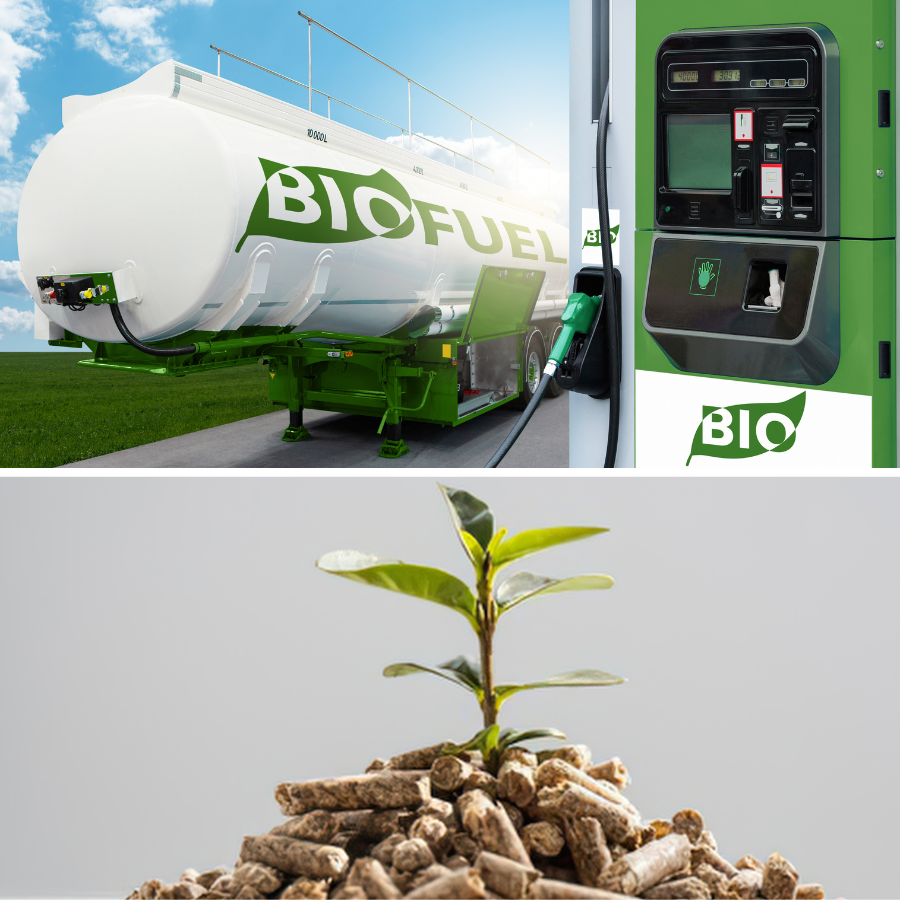
How does biomass and biofuel testing support Vietnam’s wood pellet exports
Wood pellets have become one of Vietnam’s most important forest-product exports. In 2024, Vietnam exported 6.03 million tons of wood pellets worth about USD 805 million, with Japan and South Korea together taking 94% of the volume. In 2025, pellets accounted for about 7% of Vietnam’s USD 17.3 billion in wood and wood product exports, and Japan alone imported 5.68 million tons from Vietnam, which represented 66% of all its pellet imports.
Growth of this kind brings closer scrutiny. South Korea has tightened its quality standards, while Japan requires traceability certifications such as FSC and PEFC and is gradually introducing SBP requirements. Japan’s Ministry of Economy, Trade and Industry has also stopped accepting new biomass projects under the FIT/FIP scheme from fiscal year 2026, so competition for existing plant contracts is likely to focus even more on documented quality.
2 frameworks shape most testing programmes. ISO 17225-2 classifies graded wood pellets. ENplus, a whole-chain certification scheme, applies threshold values under ENplus ST 1001, which replaced the ENplus Handbook version 3.0 from 1 January 2023. Because ENplus mainly targets residential and commercial heating, industrial buyers in Japan and Korea usually write their own fuel specifications, which borrow from both frameworks.
Control Union’s biomass testing covers five groups of analysis:
- Physical analysis: Material size, density and durability.
- Proximate analysis: Moisture, volatile matter, ash and ash melting behaviour.
- Ultimate analysis: Carbon, hydrogen, nitrogen, sulfur and oxygen.
- Calorific analysis: Energy content, which is the parameter that sets the value of the fuel.
- Metals analysis: Major elements such as Na and K in ash and raw material, plus heavy metals such as Cd, As, Pb and Hg.
The scope covers wood pellets and other solid biofuels. Bulk density (ISO 17828:2025) and mechanical durability of wood pellets (ISO 17831-1:2025) are listed in the published VILAS 1168 accredited scope. Control Union can also combine testing with loading and discharge inspection, which is useful for exporters serving European and Japanese buyers.
What physical and proximate tests are required for ENplus and ISO 17225 compliance
Physical tests show whether pellets will survive handling. Proximate tests show how they will burn. Both are defined in the ISO solid biofuel method series, so results from different laboratories can be compared on the same basis.
Physical tests include diameter and length measured under ISO 17829, bulk density under ISO 17828, mechanical durability under ISO 17831-1 and fines content under ISO 18846, which is being replaced by ISO 5370. Durability is the most sensitive commercial parameter, because pellets that break down in transit create dust, handling losses and complaints at the discharge port.
Proximate tests include moisture as received under ISO 18134, ash content at 550°C under ISO 18122 and volatile matter under ISO 18123. Ash melting tests use a different ash, prepared at 815°C, so it is worth confirming which ash method each contract clause refers to before testing begins.
The key ENplus threshold values from ENplus ST 1001 (Annex A) are summarised below.
| Parameter | ENplus A1 | ENplus A2 | ENplus B | Test standard |
|---|---|---|---|---|
| Diameter (mm) | 6 ± 1 or 8 ± 1 | 6 ± 1 or 8 ± 1 | 6 ± 1 or 8 ± 1 | ISO 17829 |
| Length (mm) | 3.15 ≤ L ≤ 40 | 3.15 ≤ L ≤ 40 | 3.15 ≤ L ≤ 40 | ISO 17829 |
| Moisture (w-%, as received) | ≤ 10.0 | ≤ 10.0 | ≤ 10.0 | ISO 18134 |
| Ash (w-%, dry basis) | ≤ 0.70 | ≤ 1.20 | ≤ 2.00 | ISO 18122 |
| Mechanical durability (w-%) | ≥ 98.0 | ≥ 97.5 | ≥ 97.5 | ISO 17831-1 |
| Fines < 3.15 mm, bulk (w-%) | ≤ 1.0 | ≤ 1.0 | ≤ 1.0 | ISO 18846 |
| Fines < 3.15 mm, bags (w-%) | ≤ 0.5 | ≤ 0.5 | – | ISO 18846 |
| Bulk density (kg/m³) | 600–750 | 600–750 | 600–750 | ISO 17828 |
How is calorific value and elemental composition tested for solid biofuels
Calorific value is the parameter that determines price. It is measured by bomb calorimetry under ISO 18125. The gross calorific value (GCV) includes the heat released when water vapour condenses. The net calorific value (NCV) subtracts that heat and is the figure power plants actually receive.
Buyers usually specify NCV as received, in MJ/kg or kWh/kg, where 1 kWh equals 3.6 MJ. ENplus sets a minimum net calorific value of 4.6 kWh/kg as received, which it states as equivalent to at least 16.5 MJ/kg. A lot with correct durability but high moisture can therefore fail on energy content alone.
Ultimate analysis measures carbon, hydrogen and nitrogen with a CHN elemental analyser under ISO 16948. Sulfur and chlorine are measured under ISO 16994, and oxygen is calculated by difference. ENplus limits nitrogen to 0.3%, 0.5% and 1.0% for classes A1, A2 and B, sulfur to 0.04% for all classes, and chlorine to 0.02% for A1 and A2 and 0.03% for B, all on a dry basis.
Chlorine is the parameter that power plant engineers watch most closely. Even small amounts contribute to corrosion of boiler tubes and superheaters, and chlorine combined with alkali metals speeds up fouling. For this reason, many industrial contracts set chlorine limits tighter than the certification scheme.
Which heavy metal and ash melting tests do Japanese and European buyers require
Heavy metal testing confirms that pellets are made from clean, untreated wood. Recycled wood containing paint, preservatives or adhesives introduces arsenic, chromium, copper and lead, which then concentrate in the ash. ENplus does not allow demolition wood or chemically treated wood in any class, and it sets the heavy metal limits below, analysed under ISO 16968 by techniques such as ICP-OES or ICP-MS.
| Element (mg/kg, dry basis) | As | Cd | Cr | Cu | Pb | Hg | Ni | Zn |
|---|---|---|---|---|---|---|---|---|
| ENplus limit (all classes) | ≤ 1 | ≤ 0.5 | ≤ 10 | ≤ 10 | ≤ 10 | ≤ 0.1 | ≤ 10 | ≤ 100 |
Control Union’s metals analysis covers both toxic heavy metals and major ash-forming elements such as sodium and potassium, which drive slagging behaviour.
Ash melting behaviour predicts slagging, which occurs when ash softens and forms clinker on grates and heat-exchange surfaces. Under ISO 21404, the test records the characteristic shrinkage, deformation, hemisphere and flow temperatures. ENplus requires an ash deformation temperature of at least 1,200°C for A1 and at least 1,100°C for A2 and B.
Japanese biomass power plants and European industrial boilers usually set these parameters in plant-specific fuel specifications. The practical approach is to test against the buyer’s own specification sheet, not only against the scheme class.
📌 Planning a pellet tender for Japan or Korea? Send your buyer’s fuel specification to vietnam@controlunion.com. Control Union’s biomass team can help match it to the right test package before production begins.
How do environmental and soil testing services support sustainable agriculture
Sustainability certification begins at the farm, and every claim eventually needs data behind it. Organic, GLOBALG.A.P., Rainforest Alliance and regenerative programmes ask producers to show soil health, controlled input use and clean water. Laboratory results are the most objective way to provide that evidence.
Soil and water testing also supports productivity. Fertiliser planned from actual soil nutrient data costs less and runs off less than fertiliser applied by habit. For export farms supplying buyers with sustainability targets, those savings appear in both the budget and the environmental footprint.
Environmental testing also connects to carbon. As buyers in the EU and Japan ask suppliers for greenhouse gas data, measured soil carbon and nitrogen become the starting point for credible reporting. The subsections below cover the main parameters and how they feed into ESG disclosure.
What parameters are analyzed for soil, water, and fertilizer quality
Control Union Vietnam’s Chemistry Laboratory analyses three environmental and agricultural matrices. Each serves a different decision in farm and input management.
Soil testing includes pH, electrical conductivity (EC), cation exchange capacity (CEC), particle size distribution, nitrogen, total and bio-available phosphorus (P₂O₅), total and bio-available potassium (K₂O) and organic matter. Elemental analysis covers nutrients such as Ca, Mg, Fe, Cu, Zn, Mo and Co, as well as contaminants such as Hg, As, Pb, Cd and Cr.
Water testing includes pH, EC, total dissolved solids (TDS), total suspended solids (TSS), sodium adsorption ratio (SAR), chloride, fluoride, bicarbonate, sulphate, nitrate, nitrite, oil and grease, and elements by ICP-MS and ICP-OES. SAR and bicarbonate indicate whether irrigation water will damage soil structure over time. The Microbiology Laboratory also tests drinking water, domestic water and treated wastewater for parameters such as faecal coliforms and Clostridium perfringens.
Fertilizer testing checks that the product delivers what its label states. Parameters include pH, nitrogen, total and available P₂O₅ and K₂O, organic matter, humic acid, fulvic acid and heavy metals, together with beneficial microorganisms in microbial fertilizers. In Vietnam, fertilizer management is governed by Decree 84/2019/ND-CP, as amended by Decree 130/2022/ND-CP. Fertilizer quality follows QCVN 106:2025/BNNMT, which replaced QCVN 01-189:2019/BNNPTNT from 30 June 2026.
| Matrix | Key parameters | Decision supported |
|---|---|---|
| Soil | pH, EC, CEC, N-P-K, organic matter, heavy metals | Fertilisation planning, contamination screening |
| Water | pH, EC, TDS, TSS, SAR, anions, elements, microbiology | Irrigation suitability, hygiene compliance |
| Fertilizer | N-P₂O₅-K₂O, organic matter, humic/fulvic acids, heavy metals, beneficial microorganisms | Label verification, input approval |
How does carbon and nitrogen analysis help calculate GHG emissions for ESG reporting
Carbon reporting in agriculture relies heavily on estimates. Default emission factors are convenient, but buyers and verifiers increasingly ask for measured data from the actual farm. Soil organic carbon and nitrogen analysis turns estimates into measurements.
Control Union can quantify carbon and nitrogen in soil and biomass samples using a modern elemental analyser. This service supports the calculation of greenhouse gas emissions and removals from agricultural activities. Three measurements matter most:
- Total organic carbon (TOC): This shows how much carbon the soil stores, and repeated sampling over time shows whether a practice is building or depleting that stock.
- Total nitrogen: Nitrogen inputs drive nitrous oxide emissions, which are one of the most significant greenhouse gas sources in crop production.
- C/N ratio: This ratio shows how quickly organic matter decomposes and releases nutrients, which helps interpret whether soil carbon gains are likely to last.
These data points feed into GHG inventories under ISO 14064-1 and product carbon footprints under ISO 14067. They also support soil carbon projects under carbon crediting programmes. Control Union’s service portfolio includes ISO 14064-1, ISO 14064-2, VCS, Gold Standard, Puro.Earth and Plan Vivo, so laboratory data and verification can be coordinated within one organisation while remaining independent.
How should QA/QC managers choose an ISO 17025 accredited lab in Vietnam
Choosing a laboratory looks simple until a result is challenged. At that point, the question is no longer the price of the test. It becomes whether the result will stand up with the buyer, the arbitrator or the border authority.
A second misconception is also common: an “ISO 17025 accredited laboratory” is assumed to be accredited for everything it tests. In practice, accreditation applies to a defined scope of methods and matrices. A laboratory may be accredited for aflatoxins in spices and still report aflatoxins in another matrix outside its scope. That difference only becomes visible when someone reads the scope document.
Selection therefore involves three trade-offs. Cost matters, but a cheaper result that a buyer rejects is the most expensive option. Speed matters, but a fast result from outside the accredited scope may need repeating. Breadth matters, but specialised capability in your commodity usually matters more.
A structured approach reduces the risk:
- Verify accreditation at the parameter level, not only at company level.
- Match method references such as ISO, AOAC, GAFTA or AOCS to those in your contract.
- Confirm COA acceptance with your buyer before the first shipment.
- Assess whether the lab can support sampling and inspection, because many disputes start with the sample rather than the analysis.
The subsections below turn these points into a checklist.
What accreditation documents and BoA recognition should you verify
Accreditation claims are easy to make and easy to check, but only if you ask for the right documents. In Vietnam, any VILAS-accredited laboratory, together with its scope document and validity date, can be looked up in the “Search CABs” register on the BoA website. Five checks cover most of the risk.
- Accreditation certificate: Confirm the laboratory’s legal name, address, accreditation number and validity dates, because an expired or suspended certificate invalidates the claim.
- Scope of accreditation: Check that your exact parameter, matrix and method are listed, because this is where most gaps appear.
- Accreditation body and MRA status: Confirm that the accreditation body, such as BoA in Vietnam, participates in the ILAC mutual recognition arrangement.
- Trade association approvals: For grain and feed contracts, confirm GAFTA analyst status for the relevant commodity category.
- Proficiency testing participation: Ask for recent results from inter-laboratory comparisons, which show real-world performance.
| Document | What to verify | Red flags |
|---|---|---|
| ISO/IEC 17025 certificate | Legal entity, site, number, validity dates | Certificate for a different site or entity |
| Scope schedule | Your parameter, matrix and method | Parameter missing or “under application” |
| Accreditation body details | ILAC MRA participation | Unknown or non-signatory body |
| GAFTA listing | Analyst category for your commodity | Category does not match your product |
| Proficiency testing record | Recent satisfactory scores | No participation for your parameters |
How do turnaround time, test scope, and global COA recognition compare
Turnaround time (TAT) affects shipping schedules directly. Results that arrive after the vessel cut-off delay loading or force shipment without evidence. Control Union Vietnam states a turnaround of 3 days for combined microbiological and chemical packages and 3-6 days for microbiology, although exact timing depends on the parameters requested.
Test scope determines how many laboratories you need to manage. A laboratory that covers residues, mycotoxins, composition and microbiology for your commodity reduces sample splitting, courier handling and conflicting reports. Specialisation still matters, and GAFTA certification for feed and grains or dedicated biomass capability often makes a bigger difference than a long general list.
COA recognition is the final test. Because ISO 17025 results are recognised through ILAC mutual recognition, an accredited COA from Ho Chi Minh City can be accepted by buyers and authorities in the EU, US, Japan and Korea. Always confirm in advance whether your buyer names specific laboratories or methods.
Use this template to compare candidate laboratories objectively:
| Criterion | Lab A| | Lab B| | Lab C |
|---|---|---|---|
| Your parameters within accredited scope | |||
| GAFTA / commodity-specific approvals | |||
| Standard TAT for your package | |||
| Method references match your contract | |||
| Sampling and inspection support | |||
| Technical support for interpreting results |
What makes integrated TIC (Testing, Inspection, Certification) services more efficient
TIC stands for Testing, Inspection and Certification. When these three services are handled by separate providers, the exporter becomes the coordinator. The inspector draws a sample, a courier moves it, a laboratory tests it and an auditor later asks for the records. Each handover creates a risk of delay or a break in traceability.
An integrated model shortens that chain. The workflow runs from sampling and sealing by inspectors, through accredited laboratory analysis, to use of the data in certification audits, all within one quality system and with one point of accountability.
This connection is especially valuable in certification. Organic certification under Regulation (EU) 2018/848 or USDA NOP may require residue testing. GLOBALG.A.P. and Rainforest Alliance audits check input and residue controls. ENplus depends on pellet quality data. Note that UTZ merged into Rainforest Alliance, so older supplier requirements that mention UTZ should now refer to the Rainforest Alliance programme.
Control Union offers more than 200 certification programmes together with commodity inspection and laboratory services. Testing and certification functions remain independent from each other as the standards require. The advantage is not that one team approves its own work. It is that sampling, testing and auditing follow a single, well-documented chain.
📌 Reduce coordination with one partner: If your buyer requires both certification and batch testing, ask Control Union Vietnam for a combined scope review. Write to vietnam@controlunion.com.
What is the lab testing process from sample submission to certification
A clear process protects the value of the result. Most testing disputes can be traced to one of three points: the sample did not represent the lot, the method did not match the contract, or the report did not answer the buyer’s question. A well-organised workflow addresses all three before any analysis begins.
Control Union Vietnam organises lab testing services in four stages:
- Step 1 – Scope and quotation: You share the commodity, destination market, buyer specification and parameters, and the laboratory confirms methods, accredited scope, pricing and TAT.
- Step 2 – Sampling: Samples are taken by your team following guidance from the laboratory, or by Control Union inspectors using recognised procedures such as GAFTA 124, FOSFA or ISO 18135.
- Step 3 – Analysis at the ISO 17025 laboratory: Samples are registered, prepared and tested with internal quality control at each stage, including blanks, reference materials and duplicates.
- Step 4 – Reporting: An authorised signatory reviews and issues the Certificate of Analysis (COA), and technical staff are available to explain any borderline result.
Communication is part of the service at every stage. Clients are informed when samples are received, when an issue affects timing, and when results are ready. Borderline results should prompt a technical discussion before a commercial decision is made.
Sample quantity depends on the parameter package, so confirm it at the quotation stage.
| Test type | Container | Special handling |
|---|---|---|
| Microbiology (food and feed) | Sterile, sealed container or bag | Chilled transport; large portions (125 g or 375 g) where required |
| Pesticides and mycotoxins | Clean, sealed food-grade bag or jar | Keep dry and away from light; avoid contaminated packaging |
| Proximate analysis and moisture | Airtight container | Seal immediately to prevent moisture loss or gain |
| Wood pellets and biomass | Sealed, moisture-proof bag | Sample according to ISO 18135; avoid crushing before durability testing |
| Soil and water | Clean bag or bottle suitable for the parameter | Record sampling depth and location; keep water samples chilled |
What compliance risks do exporters face without proper lab testing
The risks of weak testing rarely appear as a single dramatic event. They appear as small costs that build up over time. Understanding them helps teams justify a testing budget in commercial terms rather than purely technical terms.
- Rejection at the destination port: A lot that fails at the border may be re-exported or destroyed, while freight, storage and demurrage continue to accumulate.
- Direct financial loss: Quality claims on moisture, grade or contamination reduce the invoice value. Disposal costs and replacement shipments add to the loss.
- Reduced buyer confidence: A supplier with repeated findings is often moved to tighter monitoring, which means more testing, slower payment and weaker positions in future negotiations.
- Legal liability: Where contaminated products reach consumers, importers can pursue suppliers for recall costs and damages.
The positive side is equally clear. Exporters who test against the destination specification before shipment arrive with evidence rather than explanations. That evidence becomes a strength in price negotiations, supplier approvals and new market entry.
Why is Control Union Vietnam a trusted lab testing partner since 2003
Control Union has supported Vietnamese farmers, processors and traders since 2003, helping them access local and international markets through certification, commodity inspection, laboratory services and collateral management. The company was founded in 1920 in the Netherlands, began with agricultural inspections, and now operates in more than 80 countries.
What sets the laboratory apart is the combination of four practical strengths:
- Accredited, specialised laboratories: Chemistry and microbiology laboratories established in 2018 and accredited by BoA under VILAS 1168 to ISO/IEC 17025:2017, together with biomass testing capability for solid biofuels.
- Trade credentials: GAFTA analyst certification for feeds and grains, with methods referenced to AOAC, ISO, GAFTA, AOCS and SMEWW.
- Connected TIC services: Sampling and sealing, loading supervision and draught surveys through inspection offices in Ho Chi Minh City, Phu My, Can Tho, Hai Phong and Quy Nhon, together with more than 200 certification programmes.
- Technical support and R&D: Testing-based problem solving, including validation of heat treatment equipment and tracing the source of chemical and microbiological contamination.
For exporters, this means one partner who understands both the laboratory result and the commercial context it serves. That is the meaning behind Control Union’s promise: The proof to your promise.
How can you request a lab testing quotation from Control Union Vietnam
An accurate quotation starts with accurate information. Preparing the following details before contacting Control Union allows the team to confirm methods, scope and timing in a single exchange:
- Commodity and matrix: For example, green coffee, W320 cashew kernels, compound feed or 8 mm wood pellets.
- Destination market and buyer specification: Attach the specification sheet or contract clause if available.
- Parameters required: List them, or ask the team to recommend a package based on the specification.
- Number of samples and required reporting date: Include vessel or container cut-off dates.
- Sampling needs: State whether you need Control Union inspectors to draw and seal samples at your warehouse or port.
Send the request by email or call the hotline. The laboratory team will confirm the recommended package, pricing and turnaround time for your case.
- Email: vietnam@controlunion.com | labvietnam@controlunion.com
- Website: vietnam.controlunion.com
Frequently asked questions about lab testing services in Vietnam
The answers below cover practical questions that sit outside the core testing process.
How long does it take to receive lab test results from Control Union
Standard combined chemical and microbiological packages can be reported in as little as 3 days, and microbiology typically takes 3–6 days. The final timing depends on the parameters requested and the condition of the sample on arrival, so confirm TAT against your shipping date at the quotation stage.
Can Control Union test GMO content and heavy metals in export shipments
Yes. Control Union Vietnam offers GMO analysis, and its accredited scope includes cadmium, mercury, arsenic and lead in food and agricultural products by ICP-MS (AOAC 2015.01), which is relevant for exports to markets with strict contaminant or GMO labelling rules.
Does Control Union offer on-site sampling and port inspection services
Yes. Control Union inspectors perform sampling and sealing according to GAFTA 124, FOSFA and ISO 18135, together with loading and discharge supervision, draught surveys and cargo condition monitoring for bulk and containerised shipments.
What R&D and packaging material testing services are available
Control Union Vietnam tests food contact materials and packaging, supports nutrition fact and vitamin declarations, and validates the microbial reduction efficiency of equipment such as roasters and microwave systems. Microbiology training is also available at the laboratory or at the client’s facility.